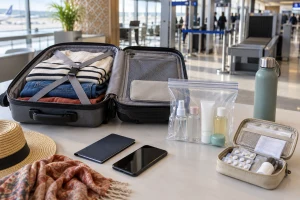
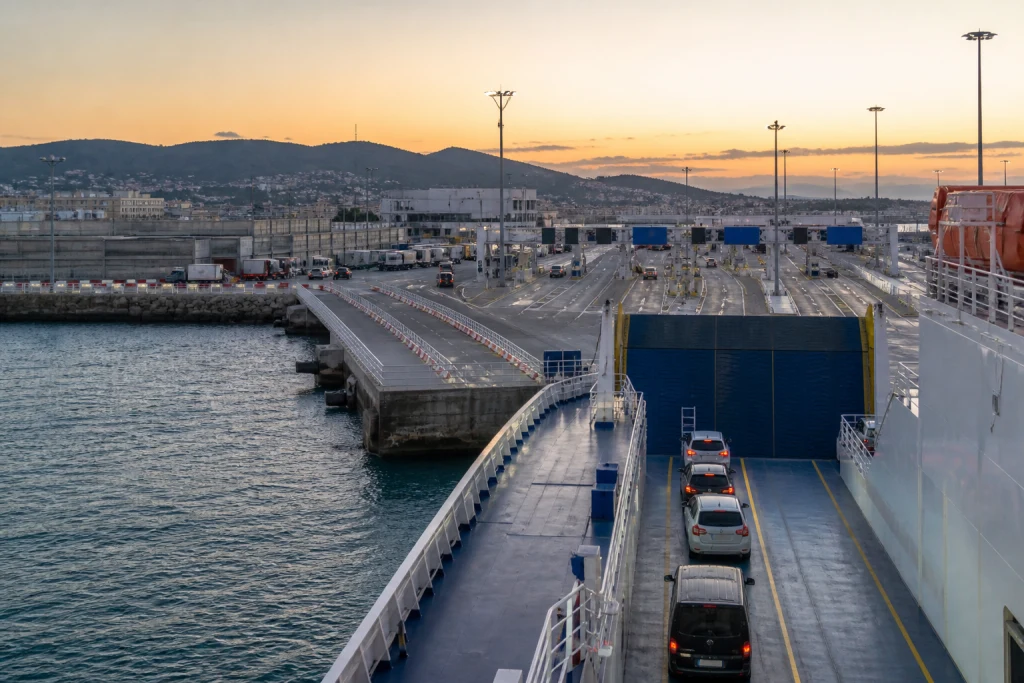
The return phase of Operation Marhaba concentrates heavy movement through Morocco’s passenger ports. In August 2026, official communications emphasised one decisive condition at Tanger Med: access to the port requires a confirmed ticket with a fixed date and departure time.
This is more than an administrative detail. Ticket, terminal and time form one set of instructions. Before driving to the port, check the carrier’s information and official traffic forecast, then allow an appropriate margin without arriving at random many hours or days too early.
Identify the exact port and terminal
“Tangier” may refer to different facilities. Tangier Ville and Tanger Med are not the same terminal and are not a few minutes apart. Read the ticket line by line: departure port, company, crossing, date, time and check-in conditions.
Do not rely only on an abbreviated name in a mapping application. Save the official terminal address and an offline route. If you return a rental car or use a transfer, give the provider the exact terminal.
Understand the confirmed-ticket system in 2026
Tanger Med Port Authority announced a confirmed-ticket system for Marhaba 2026, with a fixed date and time required for port access. An open reservation or a habit from a previous season is therefore not sufficient.
Make sure the document received is a confirmed ticket, not a request, quote or undated reservation. If it changes, use the carrier’s official channel. MOP does not invent availability or amendment rights: those depend on the current contract.
Check traffic forecasts before leaving
Tanger Med publishes a 2026 traffic calendar to distinguish ordinary periods from days of expected heavy demand. It can guide the choice of crossing, but it cannot guarantee a waiting time or clear roads throughout the journey.
Check the latest version on the day you travel. An old screenshot may be obsolete. Add carrier alerts and road information, and postpone departure when an authority asks travellers to avoid a saturated time.
Prepare documents for people and vehicle
Group passports, any residence permits, tickets, vehicle papers and evidence required by the company. Every passenger must check the rules for their nationality and circumstances; a rule that applies to a relative does not automatically apply to everyone.
For the vehicle, check registration, insurance, the owner’s authorisation where necessary and customs documents related to temporary entry. Keep originals accessible rather than buried in luggage.
Arrange the vehicle for straightforward controls
Keep medicine, water, a charged phone, cable, snack and useful clothing in a small accessible bag. Items needed at a control point should not sit under a pile of suitcases. Label luggage without displaying a full home address.
Before departure, check fuel or battery level, tyre pressure and general condition. A port queue is not the place to discover a weak battery or missing paper. Do not leave the engine running when instructions require it to be switched off.
Allow for waiting without creating false comfort
A margin is useful, but arriving extremely early outside the booked slot can worsen congestion or lead to refused entry. Follow the company’s check-in time and port instructions rather than a generic recommendation.
For children, older passengers or anyone requiring assistance, contact the company before travelling. Ask where assistance begins, what evidence is needed and whether support covers the terminal, boarding, or both.
Keep a plan for a changed crossing
A sailing may change for operational or weather reasons. Save official company contact details, a reasonable accommodation fallback and a small contingency budget. Do not buy “priority” or an amendment from an unidentified intermediary.
If a message conflicts with the ticket, verify it in the carrier’s official account. Photograph useful documents and retain receipts, but never publish reservation numbers or personal details.
Checklist before driving to the port
- Exact port and terminal checked.
- Confirmed ticket with a date and time for every traveller.
- Current check-in conditions read on the carrier’s site.
- Official traffic forecast checked on the day.
- Passports and vehicle documents accessible.
- Phones charged and offline route saved.
- Assistance requested in advance where needed.
- Fallback prepared without using a doubtful intermediary.
Sources consulted
- Maroc.ma, “Tanger Med: Adoption of the confirmed-ticket system for Operation Marhaba 2026”, accessed 29 August 2026: official French communication
- Tanger Med Passengers, “2026 traffic forecasts”, accessed 29 August 2026: official Marhaba 2026 document
- Moroccan National Tourist Office, “How to get to Morocco”, accessed 29 August 2026: official practical information