Henna and traditional tattoos are an integral part of Moroccan culture, and their roots lie in ancestral practices that celebrate beauty, spirituality and social ties. Also read: an overview of Morocco’s riches. Let us explore the profound meanings, symbols and rituals associated with Moroccan henna and traditional tattoos, a fascinating and timeless art.
Origins and Symbolism of Henna in Morocco
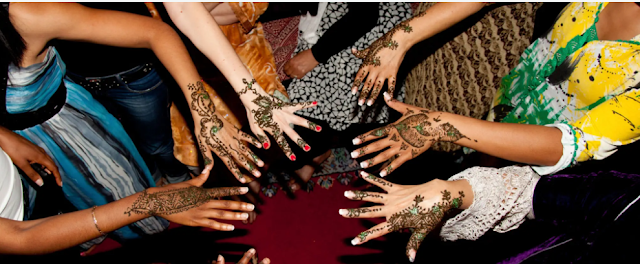
Henna is much more than a simple plant-based dye: it is a symbol of blessing, protection and femininity. Used for centuries on special occasions such as weddings, henna is applied in delicate patterns to the hands, feet and sometimes other parts of the body. Its origins are thought to lie in the region of India, but it has been adopted and adapted by different cultures in the Middle East and North Africa, including Morocco.
In Morocco, every henna design and pattern has a particular meaning: floral motifs represent beauty and growth, while geometric shapes symbolise protection, harmony and a connection with the natural elements.
The Henna Ritual at Moroccan Weddings
In Moroccan culture, henna is essential during wedding ceremonies. The “Henna Night” ceremony is one of the most eagerly awaited moments, when the bride-to-be is surrounded by her friends and family to receive blessings and wishes for happiness. This ritual often includes traditional songs, music and dancing, creating a warm and festive atmosphere.
The henna applied to the bride symbolises fertility, prosperity and protection against the evil eye. In addition to traditional patterns, each henna design is unique and personalised according to the bride’s preferences and beliefs, creating an ephemeral work of art that celebrates beauty and the new life awaiting her.
Amazigh Tattoos: Meaning and Heritage
Traditional Amazigh (Berber) tattoos are another essential aspect of Moroccan culture. Unlike henna, which is temporary, Amazigh tattoos are often permanent and worn as symbols of identity, protection and social status. Amazigh women were tattooed from adolescence, marking their transition to adulthood and their role in society.
Each motif, often inscribed on the face, hands or ankles, has a symbolic meaning. For example:Triangles and diamonds symbolise fertility and protection.
Crosses and stars represent a connection with the divine and the universe.
Lines and chevrons evoke strength, courage and resilience.
Amazigh tattoos are not merely aesthetic; they also serve as spiritual protection and as talismans against the evil eye and malevolent spirits.
The Evolution of Henna Art and Traditional Tattooing
Today, the art of Moroccan henna and traditional tattooing is experiencing a revival thanks to modern artists who are reinterpreting these ancestral practices. Traditional henna patterns remain popular but are often combined with more contemporary designs. Similarly, tattoos inspired by Amazigh symbols are finding new popularity among young people seeking their cultural heritage and means of personal expression.
In major cities such as Marrakech and Casablanca, tattoo artists are modernising ancestral motifs, making them accessible and adaptable for new generations. Henna and Amazigh tattoos therefore continue to symbolise Moroccan identity while evolving with modern trends.
Henna and Well-being: Its Benefits and Healing Properties
In addition to its spiritual and aesthetic dimension, henna is renowned for its medicinal benefits. This plant is used for its antiseptic, soothing and cooling properties. It is applied to relieve headaches, reduce inflammation and even as a hair treatment to strengthen and nourish the hair.
Henna leaves are dried and then ground into a powder to form a paste, which is then applied to the skin or hair. As a natural dye, henna continues to appeal to those seeking alternatives to chemical products, adding a dimension of well-being to this traditional art.
How to Apply Henna: Techniques and Tips
For those who wish to try this art, here are a few simple steps for applying henna effectively and durably:Preparing the paste: Mix henna powder with hot water or black tea, then leave it to rest for a few hours to release the dye.
Application: Use a henna cone or a brush to draw the patterns on the skin.
Drying: Leave the henna to dry for at least one hour before removing it. The longer the henna remains in place, the darker and longer-lasting the colour will be.
Aftercare: Avoid water during the first few hours to maximise the intensity and longevity of the pattern.
Henna and Traditional Tattoos, a Deep-Rooted and Timeless Tradition
Henna and Amazigh tattoos remain rich elements of Moroccan culture, bearing witness to the diversity and depth of ancestral practices. They embody a unique form of expression in which aesthetics meet spirituality, identity and protection. Whether for major occasions or as a way to reconnect with their heritage, the art of henna and traditional tattoos continues to fascinate Moroccans and bring them closer to their millennia-old history.