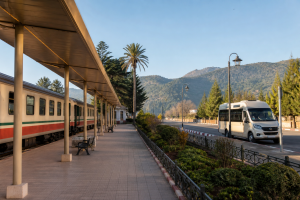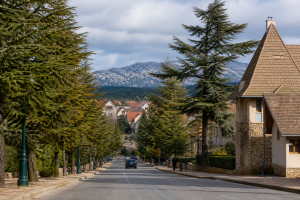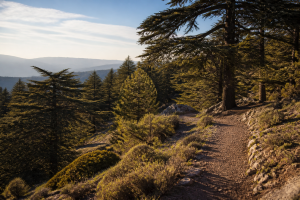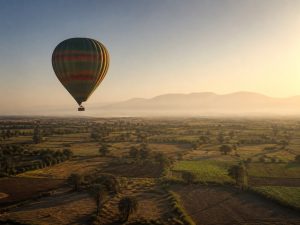
Ifrane and Azrou offer a breath of mountain air between Fez and Meknes. Ifrane stands out for its urban planning, parks and altitude of around 1,650 metres; Azrou provides access to an older town, crafts and the cedar forests of the Middle Atlas. Combining them in the same getaway makes sense if you allow enough time for walking.
The region changes considerably with the seasons. Snow, rain, heat, visitor numbers and road conditions can alter a day planned solely on the basis of a photograph. A good itinerary includes an urban activity, a guided nature outing and a backup option.
Choose the season according to the experience you want
In spring, the landscapes are often green and temperatures are favourable for walking, but rain remains possible. Summer offers cooler air than the neighbouring plains and attracts many visitors. Autumn brings soft light; in winter, roads and forests may be covered with snow.
Check the mountain weather forecast, not just the one for Fez. A difference of ten degrees and strong winds change the equipment required. In winter, check road conditions with the authorities and never assume that a rental car is automatically suitable for snow.
Weekends and public holidays can leave some easily accessible sites overcrowded. Leaving early and staying overnight offers more peace and quiet than making a return trip at the same times as everyone else.
Getting to Ifrane and Azrou
Ifrane is located around 64 kilometres from Meknes and 70 kilometres from Fez, according to the Moroccan National Tourist Office. Actual travel time depends on traffic and conditions. Buses and shared grand taxis are available, but they do not serve every lake or forest.
A car makes it easier to stop at natural sites, provided you are comfortable with mountain driving and parking. A driver or small-group excursion may be simpler for a day, but ask how much time will actually be spent at each place.
For an independent journey, see our guide to driving in Morocco Avoid returning at night after a hike; fatigue and animals on the road increase the risk.
Discover Ifrane beyond its nickname
Ifrane is often described as a “Little Switzerland”, a comparison that obscures its own context. Instead, observe how its 20th-century urban planning, sloping roofs, gardens and mountain climate distinguish it from the imperial medinas.
The centre, Prairie Park and nearby walking routes can be explored at a leisurely pace. The sculpted lion is a popular landmark, but taking a photo should not become the sole reason for visiting. Al Akhawayn University is also part of the town’s contemporary landscape.
Springs and waterfalls depend on the season. An old tourist notice does not guarantee the water flow. Ask locally whether the path is passable and respect private property and closed areas.
Give Azrou the time it deserves
Azrou deserves more than a stop between two forests. Its name is associated with the rock that marks the town; its centre offers an opportunity to discover markets, workshops and daily life in the Middle Atlas. Allow time for a meal or a walk without rushing towards the next GPS point.
When buying rugs, wooden objects and other products, ask simple questions: who makes them, what are they made from and where are they produced? A high price does not prove their origin, and very aggressive bargaining does not guarantee a good deal.
Ask before photographing a shopkeeper or craftsperson. A conversation and an explanation of the technique are more valuable than a photograph taken discreetly.
Walk through the cedar forests without feeding the macaques
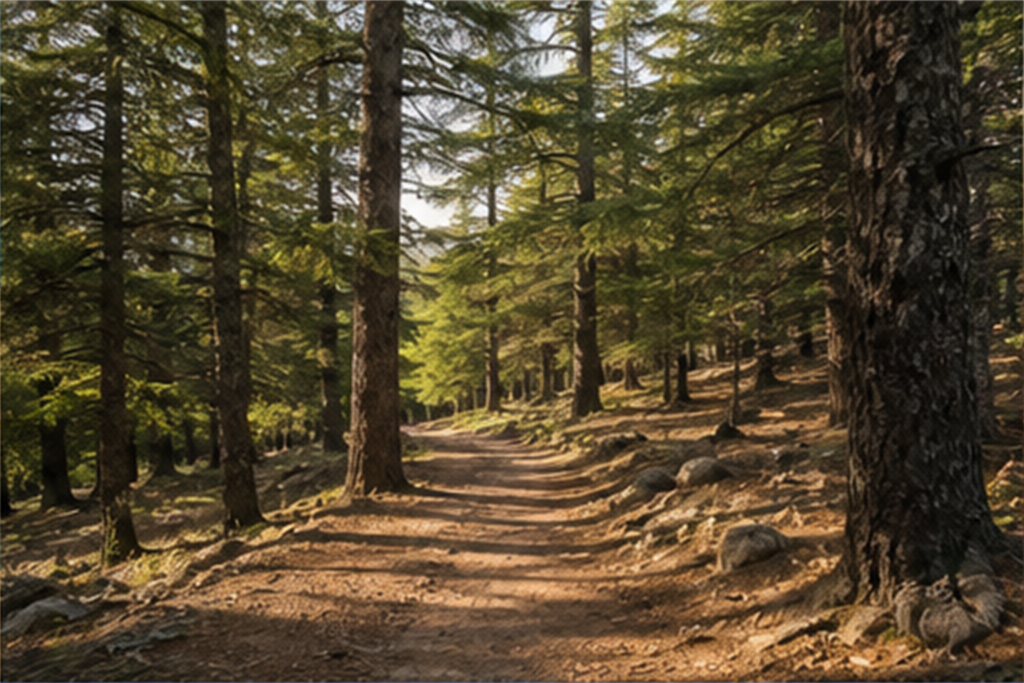
The cedar forests are the natural heart of the getaway. Choose a trail suited to the group’s ability, carry water and return before nightfall. A local guide is useful for venturing beyond the busiest areas without getting lost or damaging the environment.
The Barbary macaque is a wild animal. Feeding it alters its diet and behaviour, attracts groups close to roads and increases dangerous contact. Keep food and rubbish sealed, watch from a distance and do not try to take a portrait with an animal.
Do not leave the path to follow a group. Speak softly and move back if an animal closes the distance. A successful sighting is one that does not change its activity.
Lakes and bodies of water: check before setting out
Dayet Aoua and other Middle Atlas lakes often feature in itineraries. Their water levels vary with rainfall, water extraction and the seasons. An old photograph may show a body of water that is absent on the day of your visit.
Ask for recent information before making a detour and consider the landscape as a whole: wetlands, farmland, forests and villages. Do not drive onto a fragile shoreline and leave no rubbish behind.
Do not assume that swimming is permitted or safe. The absence of a sign, calm water and the presence of other people are no substitute for reliable local information.
Plan a suitable hike
Choose the duration based on the slowest person in the group. Altitude, cold and wet terrain are more tiring than walking in town. Sturdy footwear, a waterproof layer, water and an offline map are the minimum.
Tell your accommodation provider or guide about the route. Mobile coverage can vary in the forest. An app may not know about a barrier, farm or damaged trail.
For a family, alternate between short walks, rest areas and activities in town. Our guide to travelling in Morocco with children helps you plan a realistic pace.
Suggested two-day itinerary
On the first day, arrive in Ifrane before midday, explore the centre and choose a nearby walk. Staying overnight avoids a rushed return journey. On the second morning, travel to Azrou, then head towards a cedar forest with recent information or a guide.
With a third day, add an accessible lake or a longer hike. Do not try to fit Ifrane, Azrou, several lakes, a cedar forest and the return to Fez into a single day: you would experience most of the itinerary from inside the car.
Keep an indoor option for rain or snow. A market, workshop or long lunch can replace an outing without turning the weather into a failure.
Accommodation, meals and budget
Ifrane has hotels in various categories; Azrou offers other accommodation and convenient access to the forests. Check the heating in winter, not just whether a fireplace appears in the photographs. Also ask about parking and access in case of snow.
Restaurants serve dishes suited to the climate and regional products. Ask what is available rather than demanding an out-of-season speciality. A small amount of cash remains useful outside larger establishments.
The budget depends mainly on the vehicle or guide. Compare the total cost from Fez or Meknes, including fuel, parking, meals and any hiking equipment.
Middle Atlas checklist
- Weather and road conditions checked on the morning of departure.
- Layered clothing, rain protection and sturdy footwear.
- Known hiking route and map available offline.
- No food given to macaques.
- Recent lake levels confirmed before making a detour.
- Return planned before nightfall.
- Heated accommodation confirmed in winter.
- Limited itinerary allowing time for Azrou and the forest.
Sources consulted
- Moroccan National Tourist Office, Ifrane destination: https://www.visitmorocco.com/en/travel/ifrane
- Moroccan National Tourist Office, geography of the Middle Atlas: https://www.visitmorocco.com/en/discover-morocco/geography-morocco
- National Agency for Water and Forests, natural areas and biodiversity: https://www.eauxetforets.gov.ma/
- National Road Safety Agency, safety advice: https://www.narsa.ma/