Moroccan literature, at the crossroads of Arab, Berber, French and Spanish cultures, reflects Morocco’s cultural richness and diversity. Over the centuries, Moroccan writers have left their mark on the literary world, addressing themes such as identity, exile, traditions and modernity. Through their works, they have captured the essence of Moroccan society and its evolution. This literary journey highlights the iconic figures who have shaped the history of Moroccan literature and whose influence resonates far beyond the kingdom’s borders.
1. Driss Chraïbi: The Defiant Visionary
| Driss Chraïbi |
Driss Chraïbi is one of the most iconic authors of contemporary Moroccan literature. Born in 1926 in El Jadida, he is best known for his novel The Simple Past (1954), which addresses the clash of cultures between East and West and criticises the traditional and patriarchal structures of Moroccan society. Also read: Morocco, between heritage and landscapes. Through incisive and realistic writing, Chraïbi explores themes such as rebellion and the quest for identity, making him an essential voice for understanding the transformations of 20th-century Moroccan society.
2. Tahar Ben Jelloun: The Poet of Exile and Memory
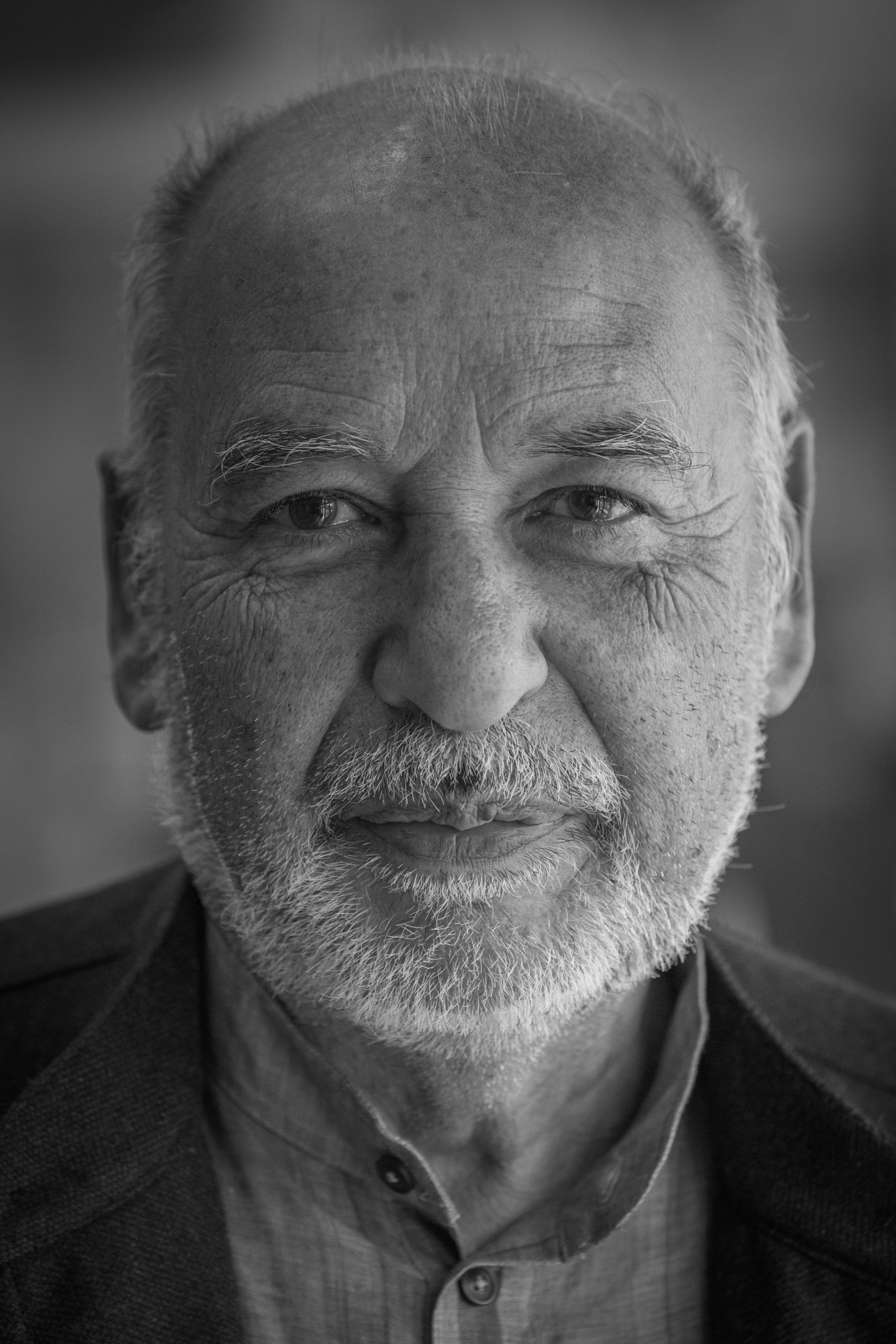 |
| Tahar Ben Jelloun |
Tahar Ben Jelloun is undoubtedly one of the most internationally renowned Moroccan authors. Born in 1944 in Fez, he is distinguished by his poetic and socially engaged writing. His works, such as The Sacred Night (1987), which won the Prix Goncourt, and The Sand Child (1985), address universal themes such as freedom, exile and identity. His unique style, blending poetry and prose, makes him an exceptional storyteller capable of capturing the complexity of human emotions. Ben Jelloun is also known for his essays on Islam, racism and politics, which give him a distinctive place in French-language literature.
3. Leïla Slimani: The New Voice of Feminism
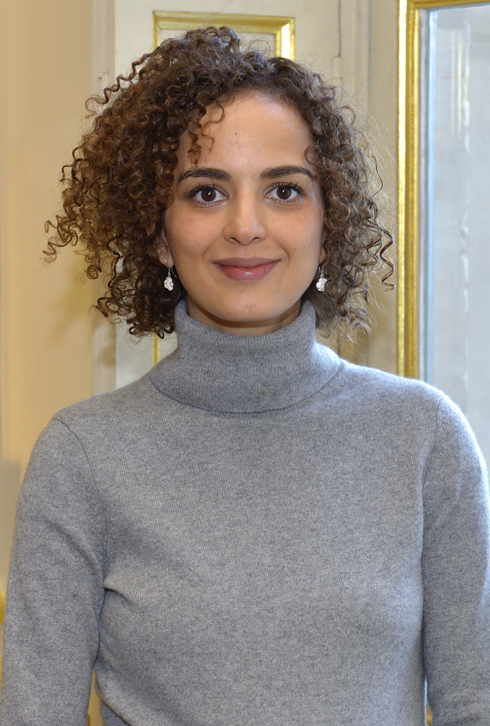 |
| Leïla Slimani |
Leïla Slimani, born in 1981 in Rabat, has established herself as an essential female voice in contemporary literature. With Lullaby (2016), which won the Prix Goncourt, she explores power dynamics and social tensions from psychological and societal perspectives. Her writing often addresses sensitive themes related to women and Moroccan society, such as sexuality, equality and emancipation. In addition to her novels, Slimani is an active campaigner for women’s rights in Morocco, reinforcing her status as a modern literary icon.
4. Mohamed Choukri: Morocco’s Rebellious Pen
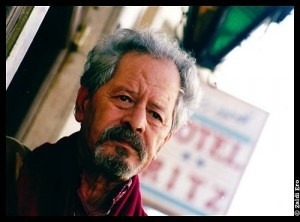 |
| Mohamed Choukri |
Mohamed Choukri, born into a poor family in the Rif, was a self-taught writer who left his mark on Moroccan literature with his raw, realistic style. His autobiography For Bread Alone (1973), an account of a difficult youth marked by violence and survival, shook the literary world with its unprecedented frankness. Choukri is often described as the voice of the neglected and marginalised, and his work helped reveal the harsh realities of poverty and exclusion in Morocco. His impact on Moroccan literature remains unique because he opened a new path far removed from traditional literary conventions.
5. Fatema Mernissi: The Feminist Writer and Sociologist
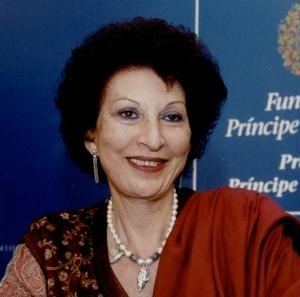 |
| Fatema Mernissi |
Fatema Mernissi, born in 1940 in Fez, was much more than a writer; she was also a sociologist and feminist activist. In her book Dreams of Women: A Childhood in the Harem (1994), Mernissi recounts her youth in a traditional Morocco while questioning the role and place of women in society. Her research and writing had a considerable impact on feminist thought in Morocco and the Arab world. She was a pioneer in the struggle for women’s rights and left an intellectual and literary legacy that inspires new generations of female writers.
6. Abdellatif Laâbi: The Poet of Resistance
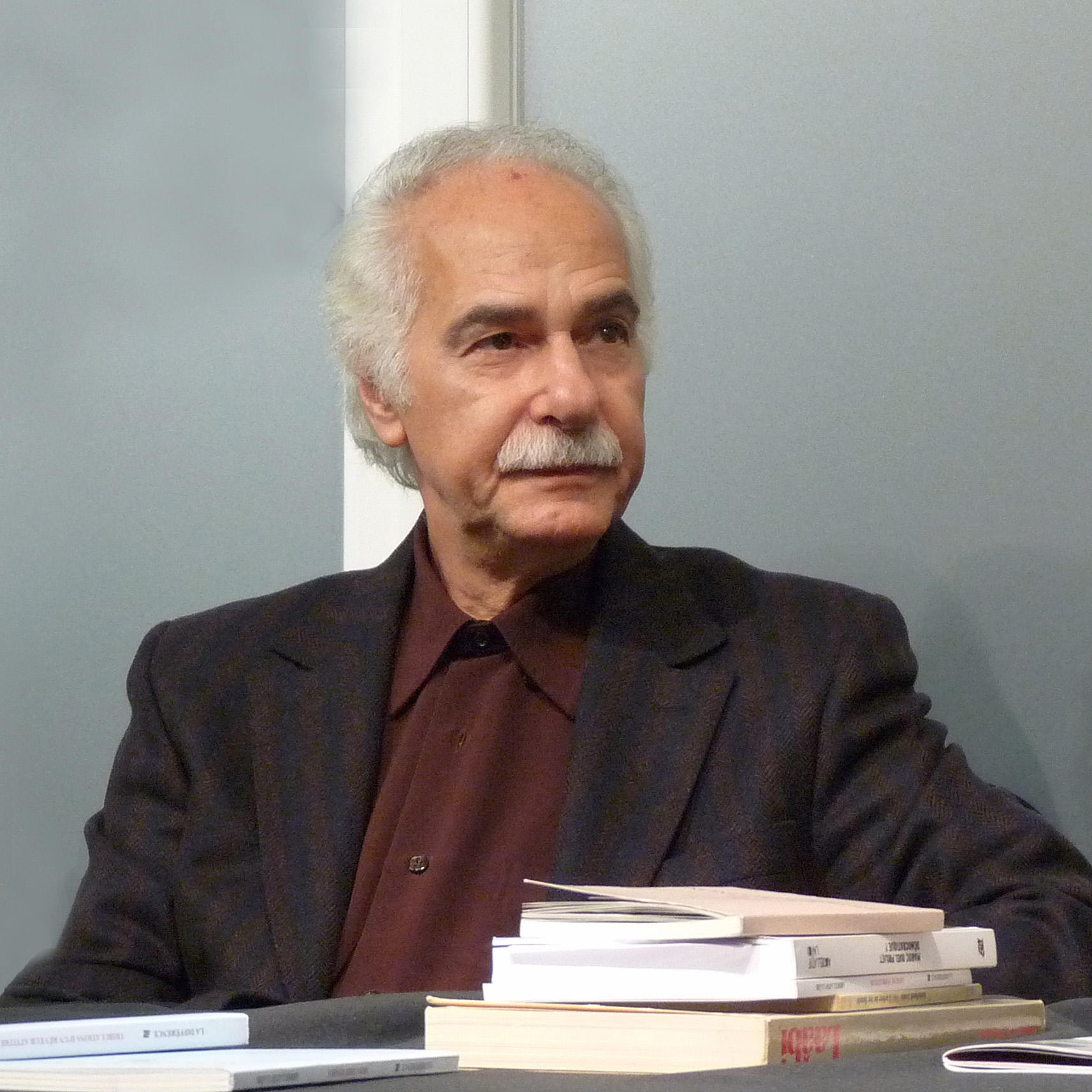 |
| Abdellatif Laâbi |
A poet, novelist and playwright, Abdellatif Laâbi is a major figure in Moroccan literature and an advocate for human rights. Born in 1942 in Fez, he founded Souffles, an iconic literary journal that played an essential role in Morocco’s cultural renewal during the 1960s. Laâbi is known for his socially engaged poems, which address freedom, love and justice. His work led to his imprisonment for his views, but he continued to write from exile. His poetic work is an ode to freedom and resistance, making him a respected literary figure in Morocco and beyond.
7. Yasmina Khadra: The Master of Suspense and Socially Engaged Fiction
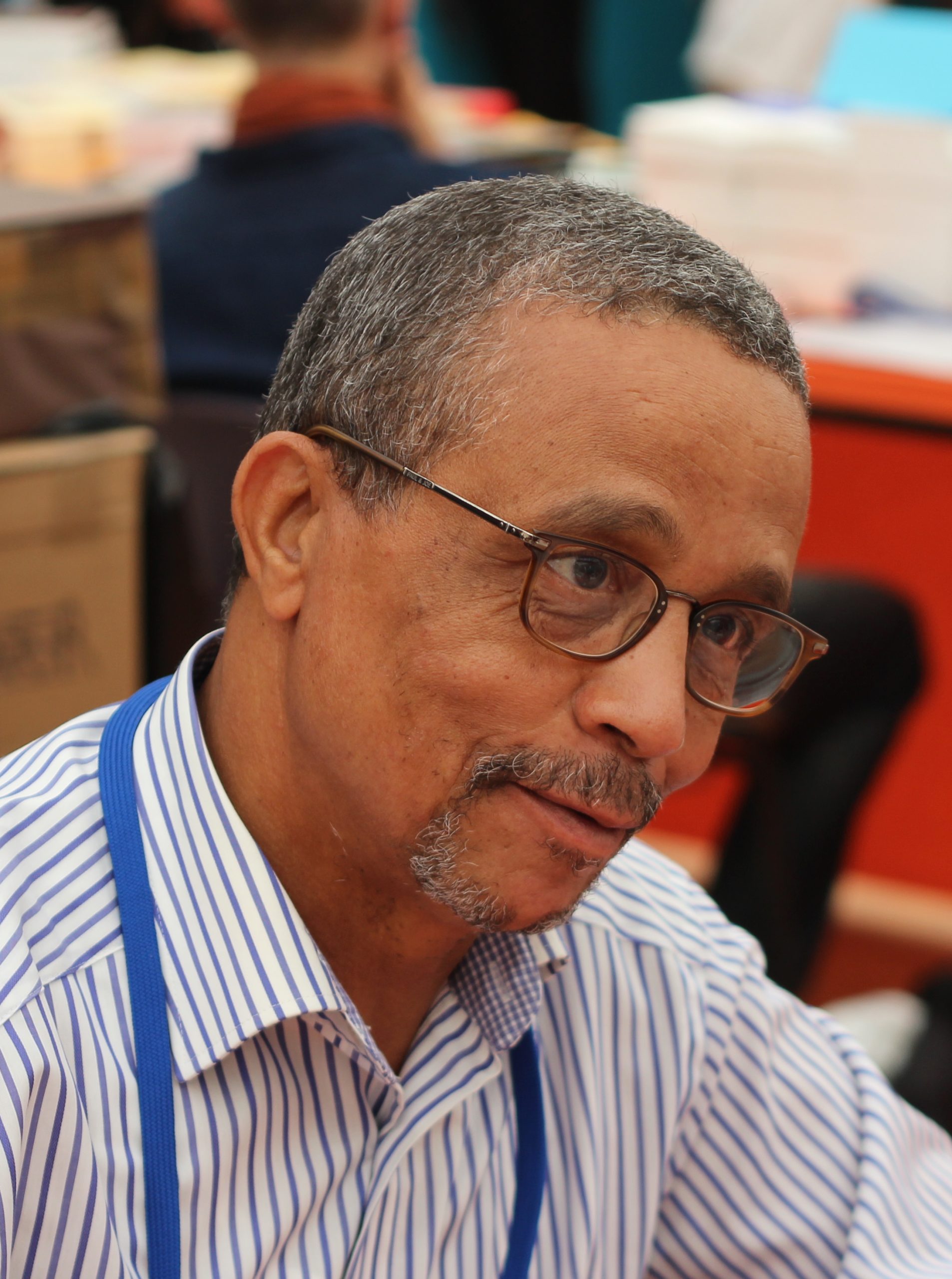 |
| Yasmina Khadra |
Yasmina Khadra, the pen name of Algerian author Mohamed Moulessehoul, is often associated with Morocco because of the richness of his stories and the influence of his writing in the Maghreb. His works, such as The Swallows of Kabul (2002), are deeply marked by a sensitivity to political and human issues. By exploring themes of violence, the absurdity of war and the quest for peace, Khadra has become an ambassador for North African literature and an essential storyteller in the French-speaking world.
8. Rajae Benchemsi: An Engaged Female Voice
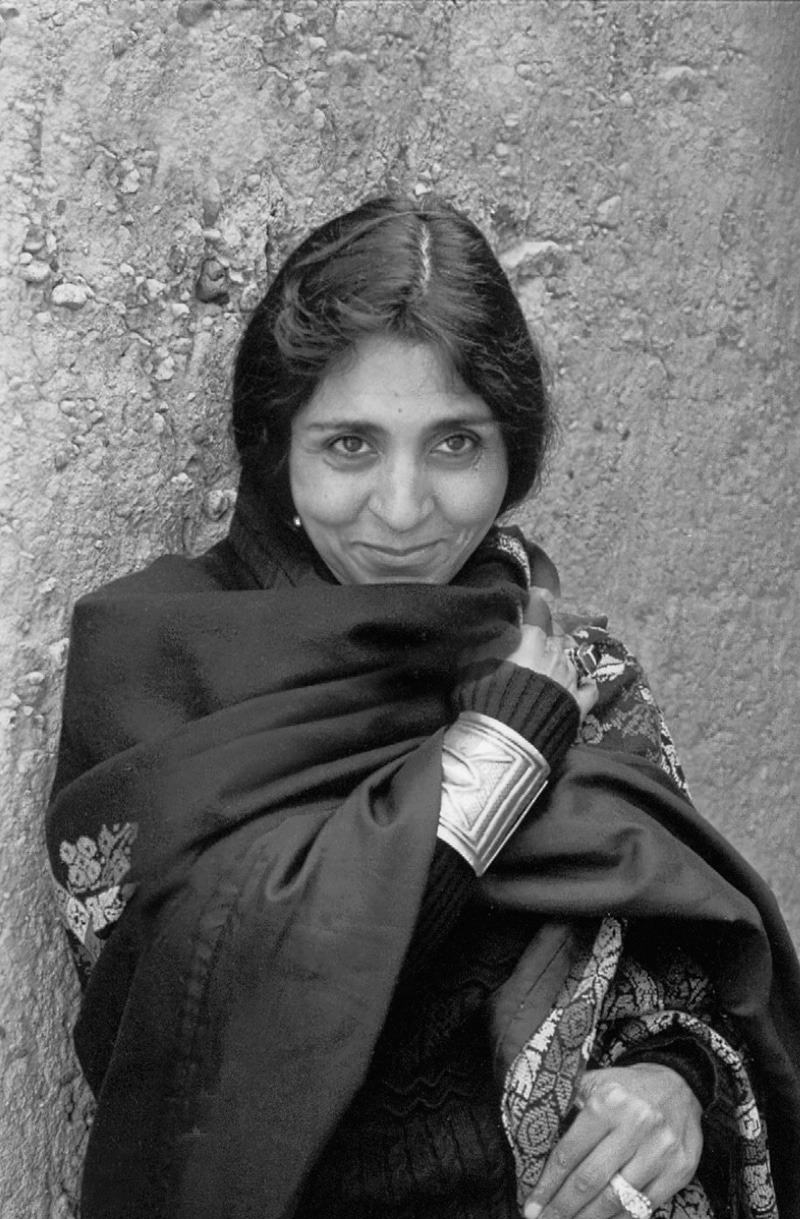 |
| Rajae Benchemsi |
Rajae Benchemsi, an author and journalist, is a Moroccan female voice who addresses the challenges faced by Moroccan women in her novels and essays. Through her writing, she highlights the social pressures, family constraints and hopes for freedom of Moroccan women. She is an influential figure on Morocco’s contemporary literary scene and continues to inspire through her engaged style and critical perspective on society.
A Literature in Full Evolution
Moroccan literature is flourishing, driven by bold writers who reinvent narratives of the past and present. These major figures of Moroccan literature, with their diversity of styles and themes, illustrate the evolution of a country in search of identity and freedom. Their works reflect the complexity of Morocco, a country at the crossroads of cultural influences and modern aspirations.
By reading their works, we discover an authentic, profound and resilient Morocco, where every word seems to reflect the hopes, struggles and dreams of a nation.