Moroccan cinema is thriving, offering the world a wealth of authentic stories and promising talent. Driven by visionary directors and landmark works, Morocco’s seventh art is now establishing itself on the international stage. Discover the must-see films and filmmakers shaping the future of Moroccan cinema.
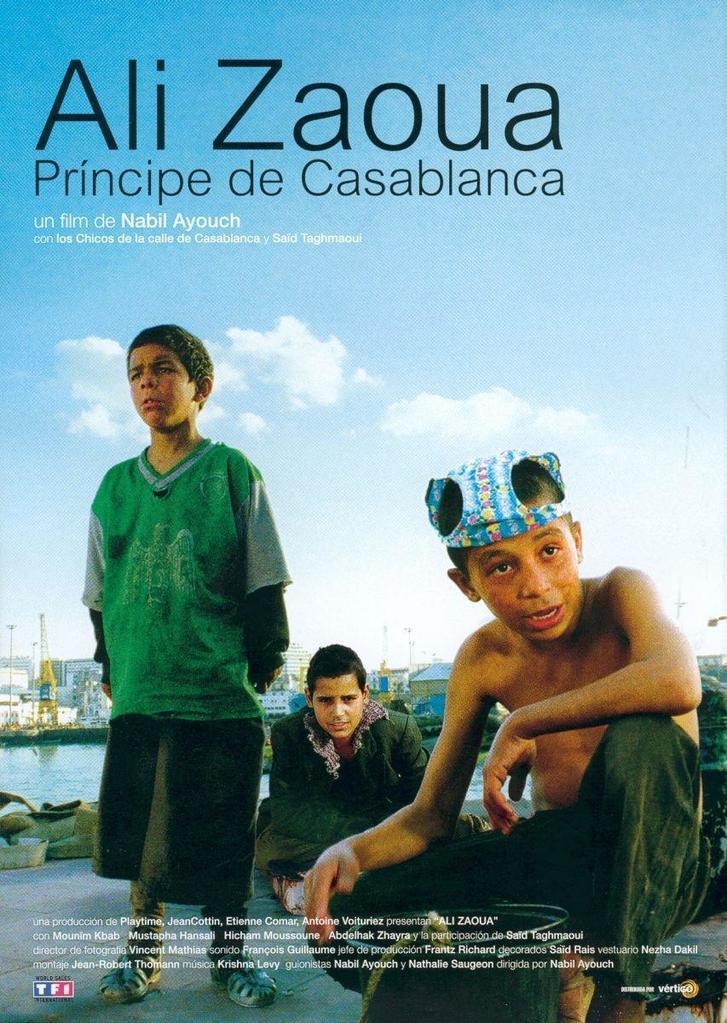
1. “Ali Zaoua, Prince of the Streets” by Nabil Ayouch
This iconic 2000 film, directed by Nabil Ayouch, tells the poignant story of street children in Casablanca. “Ali Zaoua” is a powerful and poetic drama exploring themes of friendship, survival and lost innocence. This film not only left a lasting impression but also propelled Moroccan cinema onto the international stage through its nomination at several prestigious festivals.
2. “Horses of God” by Nabil Ayouch
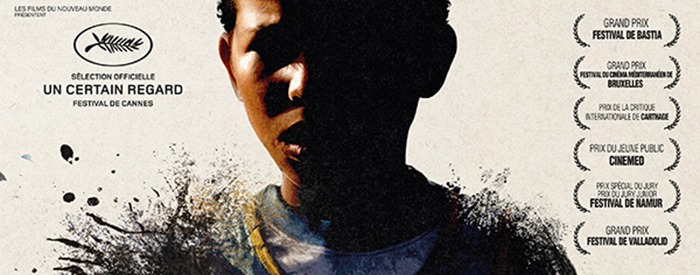
Nabil Ayouch returned with “Horses of God” in 2012, a work based on the 2003 Casablanca attacks. This immersive film delves into the daily lives of young people from disadvantaged neighbourhoods, exploring how radicalisation can affect their lives. Praised for its depth and sincerity, this film is a powerful social commentary that enabled Moroccan cinema to make itself heard beyond the country’s borders.
3. “Much Loved” by Nabil Ayouch
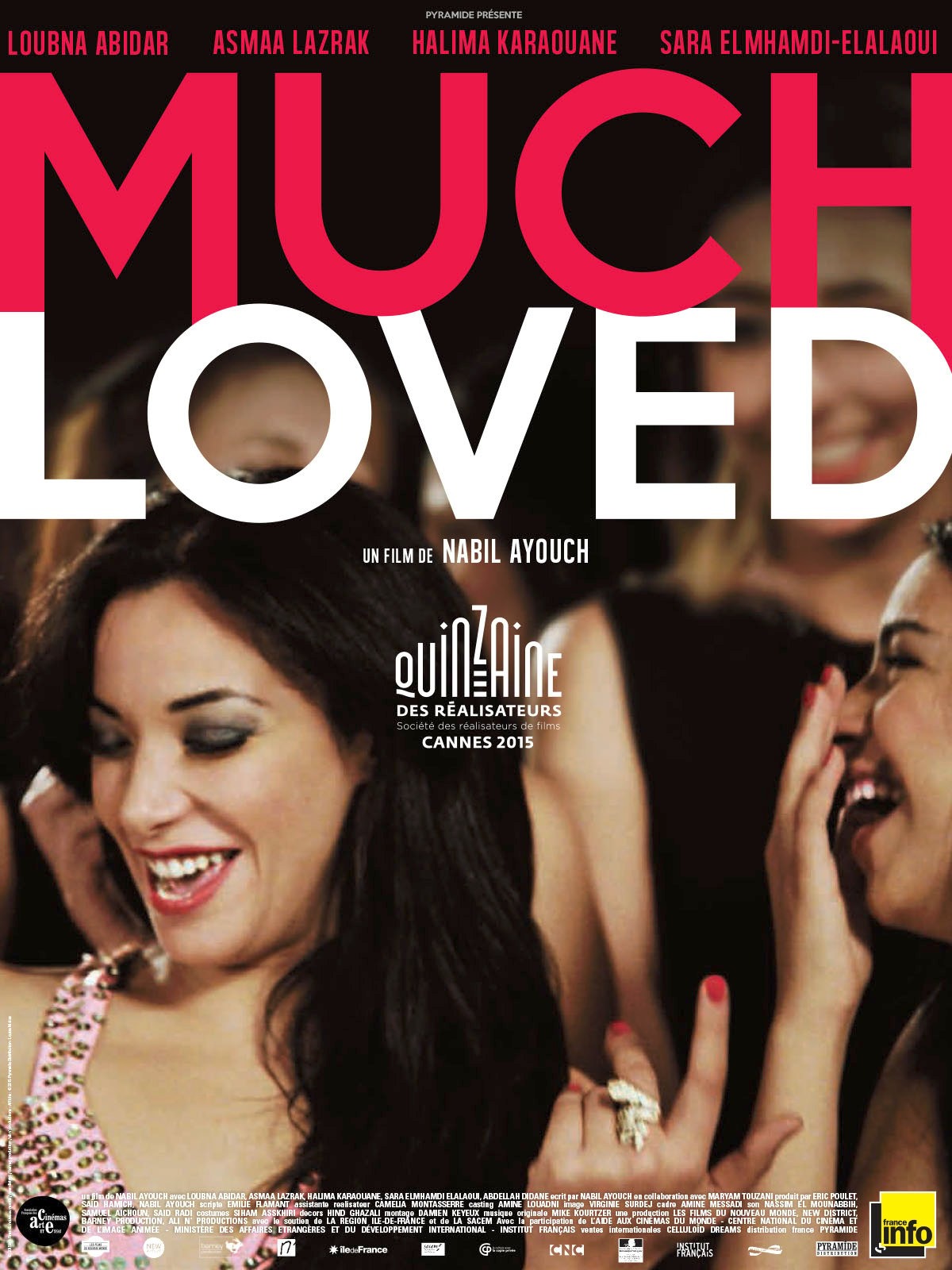
Once again, Ayouch attracted attention with “Much Loved” (2015), a bold film about the reality of prostitution in Marrakech. Despite the controversy it sparked in Morocco, the film was widely praised for its social criticism and realistic approach. “Much Loved” was banned from screening in Morocco but nevertheless found a loyal international audience.
4. “Razzia” by Nabil Ayouch

Released in 2017, “Razzia” is a social panorama that explores the diversity of lives in Casablanca, between past and present, tradition and modernity. This ensemble film follows five characters whose stories intersect and clash, symbolising the cultural tensions of contemporary Morocco. Also read: Morocco’s cultural and natural riches. With “Razzia”, Ayouch confirms his role as a pioneer of Moroccan cinema.
5. Faouzi Bensaïdi: A Visual and Socially Engaged Auteur
Faouzi Bensaïdi is an essential director who brings a unique perspective to Moroccan cinema. His film “A Thousand Months” (2003), which won an award at Cannes, is set in a small Moroccan village and explores cultural and social dilemmas. With works such as “Death for Sale” and “Volubilis”, Bensaïdi demonstrates his ability to capture the contradictions of Moroccan society in visually striking stories.
6. Leila Marrakchi: The Voice of Moroccan Women
Leila Marrakchi has established herself as one of Morocco’s most influential female directors. Her best-known film, “Marock” (2005), tells the story of a young Muslim woman and a young Jewish man who fall in love, a bold subject addressing tolerance and modernity. This film opened the debate on Moroccan youth and inspired many young filmmakers to tackle contemporary subjects.
7. Hicham Lasri: The Boldness of Experimental Cinema
Hicham Lasri is a director whose works are characterised by their experimental approach and social criticism. His film “Starve Your Dog” (2015), an allusion to Morocco’s political history, is an example of his provocative and daring style. With films such as “They Are the Dogs” and “Jahilya”, Lasri pushes the boundaries of Moroccan cinema by tackling dark subjects and exploring original aesthetics.
Recent Works to Discover
“Adam” by Maryam Touzani: This 2019 film is a masterpiece dealing with female solidarity and the challenges faced by single mothers in Morocco. Touzani brings a sensitive and human touch, and “Adam” was selected to represent Morocco at the Oscars.
“Casablanca Beats” by Nabil Ayouch: Released in 2021, this film addresses the self-expression of young people in Casablanca through hip-hop culture. Representing Morocco at the Cannes Film Festival, it embodies a new generation of films that shine a light on Moroccan youth.
Emerging Directors to Watch
Moroccan cinema is seeing the emergence of a new generation of promising filmmakers, including Maryam Touzani, Hicham Hajji and Sofia Alaoui. Their works explore contemporary and universal themes, such as the place of women, social injustice and individuality, while presenting innovative perspectives on Moroccan culture.
Conclusion: A Rapidly Growing Industry
Moroccan cinema, both rooted in its heritage and open to the world, continues to transform and evolve. From profound works to daring directors, this industry now attracts the attention of critics and film enthusiasts from around the world. These films and filmmakers demonstrate that Morocco is a land of stories, a crossroads of cultures and a true breeding ground for creativity.