Moroccan poetry is a window into the soul of the country. Also read: an overview of Morocco’s riches. Through centuries of cultural and linguistic diversity, it has become a powerful means of expression, reflecting the emotions, wisdom and struggles of the Moroccan people. Influenced by Arabic, Berber, French and even Spanish, Moroccan poetry embodies stories and values that still resonate today. Let us explore the history, themes and impact of Moroccan poetry, from the past to the present.
The Ancient Roots of Moroccan Poetry
The origins of Moroccan poetry date back to ancient times, with oral forms passed down from generation to generation. The Amazigh (Berber) people were among the first to compose poems, often sung or recited during ceremonies and rituals. Amazigh poetry, or “tazart”, and “izm” poetry in the Chleuh language (a Berber dialect) are ancient forms that serve as vehicles for community values.
At the same time, the Arab influence that arrived with the Islamic conquest introduced a new poetic structure, such as the “qasida”, which became a pillar of Moroccan literature. The qasida is often an ode or elegy addressing themes of faith, love and philosophical contemplation.
Themes: Spirituality, Love and Resistance
Moroccan poetry addresses a wide variety of themes, with each period of history bringing its own challenges and inspirations. Among the main themes, spirituality plays a major role. Moroccan Sufi poets such as Sheikh Al-Harrak and Sheikh Al-Jazouli used poetry to express their devotion, mystical quest and relationship with God. These verses, imbued with wisdom, continue to inspire today, inviting meditation and spiritual discovery.
Love, another central theme, appears in poems expressing both passion and pain. Moroccan love poetry is often full of metaphors and symbols, and it draws on the country’s landscapes to evoke feelings of nostalgia or longing.
Resistance is also an essential theme, particularly during periods of colonisation and independence. Poets such as Malika El Fassi used their words to express the thirst for freedom and justice, making poetry a means of cultural and identity-based resistance.
The Renaissance of Modern Poetry
From the 20th century onwards, Moroccan poetry evolved to incorporate modern influences and more contemporary themes. The French language, introduced during the colonial period, became a new tool of expression. Poets such as Abdelatif Laâbi and Mohammed Khaïr-Eddine innovated by experimenting with language and exploring questions of modernity, identity and social revolt.
Modern poetry is distinguished by its free and bold style. It does not hesitate to address subjects such as exile, marginalisation and the search for self. It reflects a Morocco undergoing profound transformation, torn between tradition and modernity. Contemporary poetry thus remains a space for questioning and individual affirmation.
Amazigh Poetry: A Living Heritage
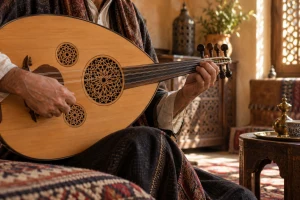
Amazigh poetry, written in Tifinagh characters or transcribed into Arabic and French, has retained its symbolic power. Through oral or written works, Amazigh poets celebrate their cultural identity, their landscapes and their connection to nature. This poetry is often sung and accompanied by music during celebrations and gatherings, thereby helping to perpetuate ancient traditions.
Figures such as Ahmed Bouanani explored Amazigh poetry and gave it wider visibility while incorporating modern literary influences. This unique blend of tradition and creativity continues to make Amazigh poetry a pillar of Moroccan cultural expression.
Moroccan Poetry Today: Young Voices and Diversity
Today, Moroccan poetry is more vibrant than ever. New generations of poets, influenced by digital technology and globalisation, are exploring an increasingly varied range of subjects, from identity to the environmental crisis. Social networks and sharing platforms have enabled many Moroccan poets to distribute their work and reach an international audience.
Initiatives such as slam and urban poetry competitions demonstrate young people’s enthusiasm for this art in less conventional forms. In addition, literary festivals such as the Fez Poetry Festival provide spaces where Moroccan poets and poetry enthusiasts can meet, making this artistic expression an essential part of contemporary culture.
Moroccan Poetry, Heritage and Modernity
Moroccan poetry is a mirror of the country’s collective soul, reflecting its joys, sorrows and aspirations. Rooted in ancient traditions but looking towards the future, it has evolved over time to embrace new forms and ideas. Moroccan poetry embodies a history, a struggle and a unique beauty, making each poem a precious stone in Morocco’s cultural heritage.