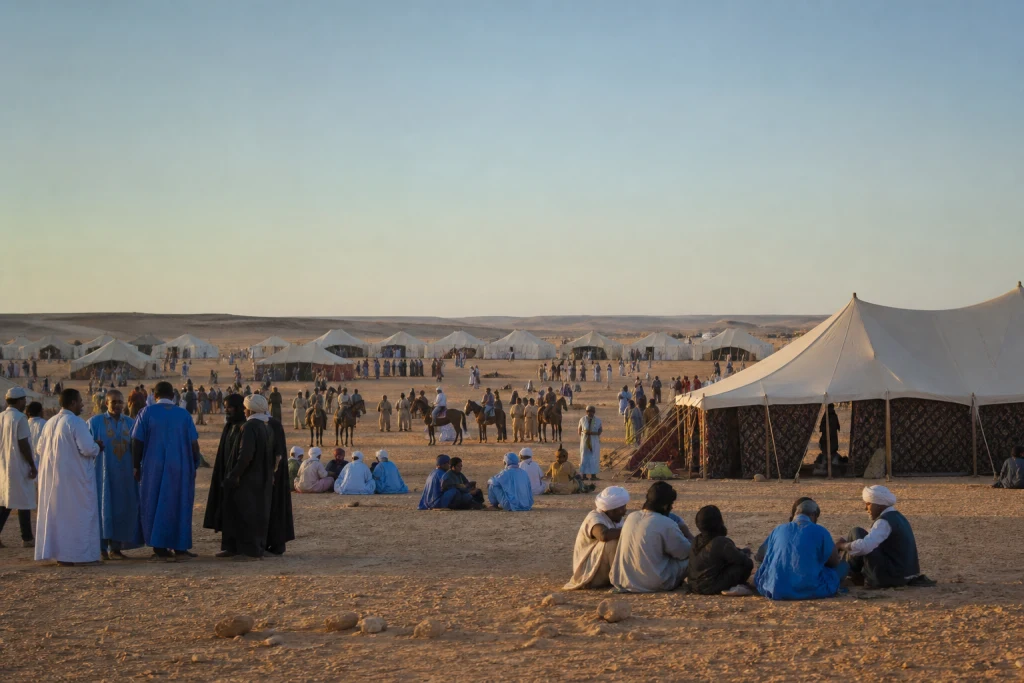
The Moussem of Tan-Tan has been on UNESCO’s Representative List of the Intangible Cultural Heritage of Humanity since 2008, following its proclamation in 2005. UNESCO presents it as an annual gathering of nomadic peoples of the Sahara, bringing together tribes from southern Morocco and other parts of north-west Africa.
Reducing the gathering to riders, tents or a colourful festival would erase its central function. The moussem is a social, economic and cultural space where exchange, oral traditions, poetry, music, skills and memory meet. Visitors should learn to observe relationships as well as performances.
A moussem is first a meeting
UNESCO explains that these gatherings belonged to the agropastoral calendar. They created opportunities to buy and exchange goods, organise horse- and camel-related competitions, celebrate weddings and consult herbalists.
That diversity is why the word cannot simply be translated as “festival”. The visible programme is only part of the event. Conversations, reunions, family transmission and relationships between groups give the gathering a depth that the central stage cannot summarise.
Poetry and oral expression are not decoration
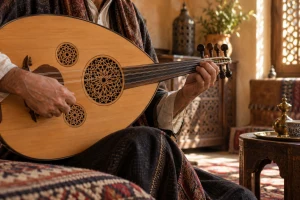
UNESCO refers to popular chanting, music, games, poetry contests and Hassaniya oral traditions. These forms carry histories, values, humour, genealogies and ways of speaking about the territory. They are not interludes added for an audience.
Translation or mediation can help, but should avoid imposing one fixed meaning. Ask for context, the name of the form you hear and, where appropriate, who transmits it. Listening without immediately understanding everything can also be part of a respectful encounter.
Intangible heritage remains alive
UNESCO inscription does not freeze a practice in an old version. Intangible heritage lives because communities recreate, adapt and choose what they transmit. Mobility, urbanisation and economic change alter the conditions around the gathering.
UNESCO specifically identifies risks that these changes create for skills and forms of poetry. Safeguarding is therefore not the production of a static image of nomadic life. It supports the ability of people concerned to continue their practices according to their own decisions.
Photograph with consent
Clothing, a face, a tent or a commercial exchange does not automatically become a public image. Ask before photographing a person closely, a child, an interior or a private moment. Consent to a photograph is not necessarily consent to publish it with a precise location.
Avoid stolen telephoto portraits and captions that invent someone’s identity or history. Prefer wide views, authorised gestures and elements whose context can be explained. Responsible photography documents without turning someone into an anonymous symbol.
Buy without manufacturing authenticity
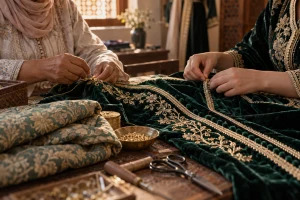
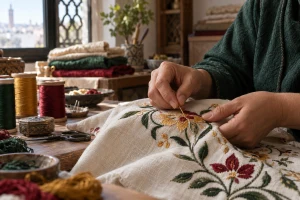
Exchange of products and skills belongs to the moussem’s history. When buying, ask about material, making, origin and price before negotiating. An object is not more “authentic” because it looks old or because its seller wears particular clothing.
Decline wildlife, plants, antiquities or pieces with uncertain provenance. The commercial relationship should remain clear and dignified. Paying fairly does not create an additional right over a person, workshop or story.
Do not invent dates or programmes
The annual character of the moussem does not guarantee the same date or a permanent programme. Announcements, access, times and conditions must be checked through official channels for the relevant edition. An old programme must never be presented as current.
MOP will publish no ticket, price, available place or partner without recent evidence. Editorial content explains the meaning of the gathering; visit logistics remain dated and separate. That distinction protects travellers and organisers.
Prepare Tan-Tan beyond the event
If the moussem motivates the trip, also plan arrival, accommodation, transport and departure. Identify real distances, keep a margin and avoid late driving after a dense day. High attendance may alter traffic and availability without MOP being able to guarantee either.
Carry water, sun protection, clothing for wind and an offline solution. Respect reserved areas, safety instructions and animal movement. Practical care releases time to listen and understand.
What a visitor can genuinely retain
The Moussem of Tan-Tan shows that heritage is not only a monument. It can be a way of gathering, transmitting speech, trading, celebrating and negotiating continuity in a changing world.
The best memory is not necessarily a dramatic image. It may be context better understood, a word explained, a documented purchase or the decision not to interrupt a moment. That attention reflects MOP’s line: discover with context before consuming a promise.